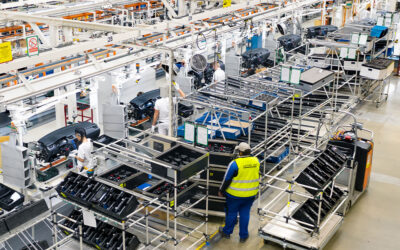
In lean manufacturing, every detail of material flow matters. One of the most effective methods for maintaining smooth operations and minimizing waste is the FIFO (First In, First Out) storage system.
By ensuring the oldest stock is used first, FIFO reduces the risk of expired or obsolete materials, keeps storage areas organized, and supports accurate order fulfillment. When applied correctly, FIFO storage isn’t just a method for managing inventory—it’s a foundation for lean production.
In this blog, we’ll explore what FIFO means, why it matters, and how to implement a FIFO storage system that strengthens your operation’s flow and productivity.
What Is FIFO Storage and Why Does It Matter in Lean Manufacturing?
FIFO stands for First In, First Out. It’s a straightforward principle: the first items placed into storage are the first ones used or shipped.
While simple in concept, the FIFO method plays a critical role in lean manufacturing environments, where efficiency, accuracy, and flow are essential.
Without FIFO, facilities often face challenges like:
- Obsolete or expired materials: Older stock often gets buried and overlooked, resulting in wasted inventory.
- Disorganization: Materials pile up without a clear rotation method, slowing picking and replenishment.
- Picking errors: Teams may select the most accessible items rather than the correct ones, resulting in increased returns or rework.
- Overstocking: When stock rotation is inconsistent, teams compensate by ordering more than necessary, tying up valuable capital and space.
By enforcing FIFO, you ensure that materials flow through your facility in a consistent and predictable manner. This minimizes waste, reduces errors, and helps create the stable, repeatable processes that lean manufacturing depends on.
How to Design and Implement a FIFO Storage System
Instead of leaving it up to chance, embed FIFO directly into your storage and handling processes.
Here are five key steps to guide your implementation:
1. Map Your Material Flow
Start by clearly understanding how materials move through your facility.
- Identify high-traffic zones, storage bottlenecks, and lineside replenishment points.
- This analysis highlights where FIFO practices will deliver the greatest efficiency gains.
2. Design Storage Around Usage Frequency
Position high-turnover SKUs closest to picking stations, while slower-moving items can be placed further back.
- This reduces wasted motion and ensures employees aren’t spending extra time searching for materials.
3. Utilize Right-Size Containers and Move in the Correct Units
Product movement through your facility should go from large (inbound truck shipments) to small (right-sized totes or containers) with defined steps along the way.
- Determine the right size container for each product and connect that with usage and storage locations.
- Change packaging or repack to get all products in the right-sized container.
4. Leverage Visual Controls
FIFO works best when it’s easy to follow at a glance.
- Use color-coded labels, floor markings, and signage to signal which inventory should be picked first.
- Visual cues eliminate guesswork and improve picking accuracy.
5. Standardize and Train
A FIFO system is only as strong as the people using it.
- Create standardized procedures and train employees to follow them consistently across all shifts.
- Clear, documented processes prevent confusion and reinforce lean principles.
6. Incorporate Flexibility for Growth
Manufacturing environments change.
- Choose modular, reconfigurable storage systems that allow you to adjust FIFO lanes, expand capacity, or reorganize layouts as your product mix evolves.
- Flexibility ensures the long-term sustainability of your FIFO system.
FIFO Storage Solutions That Support Lean Operations
Once the foundation is set, proper storage solutions make FIFO easy to sustain. Purpose-built systems not only enforce first-in, first-out, but also enhance safety, ergonomics, and overall material flow.
Standard FIFO storage solutions include:
Flow Racks

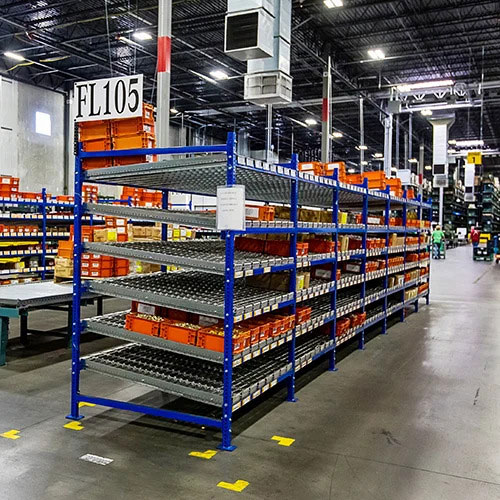
Gravity-fed flow racks automatically present the oldest inventory at the front of the workstation, following FIFO by design. They minimize travel time, improve visibility, and reduce picking errors—all of which are critical for high-volume environments.
Gravity-Fed Shelving

Ideal for smaller items or mixed SKU storage, gravity-fed shelves utilize angled lanes or rollers to move stock forward as items are removed. This system supports just-in-time delivery while freeing employees from the constant task of reorganizing shelves.
Visual Management Tools

Floor markings, signage, and color-coded labels guide workers to the correct inventory. These low-cost tools reinforce standard work, reduce hesitation, and make FIFO compliance intuitive.
Ergonomic Workstations with FIFO Integration

Pairing FIFO racks or shelving with ergonomic workstations ensures that operators always handle materials at the optimal height and reach zone. This reduces strain, improves safety, and supports consistent workflow.
Modular Cart and Replenishment Systems

Mobile carts or replenishment zones act as buffers between bulk storage and lineside operations. They ensure a continuous flow of materials without overloading production areas.
Optimize FIFO With Geolean Expertise
A FIFO inventory system is more than a way to rotate stock—it’s a cornerstone of lean manufacturing. At Geolean, we partner with you to design and implement lean storage systems tailored to your operation.
From flow racks to gravity-fed shelving and ergonomic workstations, our experts help you build a lean foundation that supports growth today and in the future.
Ready to streamline your inventory flow and eliminate waste? Contact Geolean to begin designing a FIFO system tailored to your facility’s needs.